Using tirzepatide safely from the first dose onward
Tirzepatide is simple to schedule but should not be treated as a set-and-forget injection. Safe use depends on gradual titration, correct missed-dose decisions, sufficient nutrition and early attention to persistent or severe symptoms. When prescription treatment is being considered, eligibility, dose escalation, adverse effects and follow-up matter more than headline promises.
Starting and increasing the dose
The usual starting dose is 2.5 mg once weekly. It is an initiation dose, not a maintenance dose for blood-sugar control; the labeled schedule generally increases to 5 mg after four weeks and then, when needed and tolerated, in 2.5 mg steps no more often than every four weeks.
The highest labeled dose is 15 mg once weekly, but the best dose is not automatically the maximum. Response, indication, adverse effects and other glucose-lowering medicines should guide each increase.
- Use the exact product and dose shown on the prescription.
- Do not accelerate escalation because appetite or weight changes seem slow.
- Contact the prescriber before increasing if vomiting, dehydration or substantial abdominal symptoms continue.
- Record injection date, dose and notable symptoms.
Injection and missed-dose decisions
Tirzepatide is injected under the skin of the abdomen, thigh or upper arm according to the device instructions. Rotate locations and do not inject into skin that is bruised, tender, scarred or damaged.
If a dose is missed, the labeling generally allows it to be taken within four days, or 96 hours. If more than four days have passed, skip it and take the next dose on the regular day; do not take two doses less than 72 hours apart.
The weekly administration day can generally be changed if there are at least 72 hours between doses. When instructions are uncertain—particularly after a long interruption—ask the prescriber or pharmacist rather than improvising a restart dose.
- Check the medication name, strength and expiration information before use.
- Follow the specific pen or vial instructions listed with the product.
- Place used needles or devices in an appropriate sharps container.
- Never share an injection device, even if a needle has been changed.
Recommended Products
Managing common gastrointestinal effects
Nausea, reduced appetite, diarrhea, constipation, vomiting, indigestion and abdominal discomfort are most likely during initiation or escalation. Smaller meals, slower eating and stopping at the first sign of fullness can be more useful than forcing a customary portion.
Regular fluids matter, especially with diarrhea or vomiting. Because appetite suppression can make intake unexpectedly low, plan protein-containing meals and nutrient-dense foods rather than relying on snack foods or skipping food for an entire day. Ask how the plan will protect protein intake and hydration, particularly if medication reduces appetite or causes nausea.
- Limit very large or high-fat meals if they worsen nausea or reflux.
- Sip fluids steadily; ask for guidance if heart or kidney disease limits fluids.
- Track bowel changes and address constipation before it becomes severe.
- Request clinical advice if symptoms prevent drinking, eating or taking essential medicine.
Symptoms that need prompt or emergency care
Severe or persistent abdominal pain, particularly if it travels to the back or occurs with vomiting, requires prompt evaluation for pancreatitis or another acute problem. Upper abdominal pain, fever, jaundice or pale stools can signal gallbladder or bile-duct disease.
Repeated vomiting, very low urine output, faintness or confusion may indicate significant dehydration. Facial or throat swelling, trouble breathing, or a rapidly progressing allergic reaction requires emergency care.
People using insulin or a sulfonylurea should know their low-blood-sugar plan. Sweating, shaking, hunger, confusion and a rapid heartbeat can be warning signs, but individual symptoms vary.
- Seek urgent help for severe abdominal pain or an allergic reaction.
- Contact the care team for persistent vomiting, inability to hydrate or worsening weakness.
- Check glucose as directed when symptoms suggest hypoglycemia.
- Report a neck lump, persistent hoarseness or trouble swallowing for medical evaluation.
Assessing progress without chasing the scale
Response varies, and weight change is rarely linear. Day-to-day fluctuations often reflect fluid, bowel contents and measurement timing, so weekly or less frequent measurements under similar conditions are generally more informative.
A follow-up review can include waist size, blood pressure, A1C or glucose, sleep apnea symptoms, mobility, food intake, strength and side effects. If benefits are limited at a tolerated therapeutic dose, reassessing the diagnosis and treatment strategy is more useful than escalating beyond the label.
- Use a consistent weighing schedule instead of repeated daily checks if fluctuations cause distress.
- Include strength or functional goals in the plan.
- Review diabetes medication needs as glucose improves.
- Discuss maintenance and access before reaching a target weight.
Supplements for Tirzepatide

LivPure
LivPure combines milk-thistle silymarin, betaine, berberine and glutathione with green-tea compounds to support normal liver function and fat metabolism. Choline and betaine support normal lipid metabolism, giving LivPure a liver-centered approach to weight-management wellness. With tirzepatide, berberine and concentrated botanical extracts deserve a medication-interaction check before use.

Ikaria Juice
Ikaria Lean Belly Juice brings together plant antioxidants from green tea, berries and beetroot with prebiotic inulin and probiotic cultures for digestive wellness. Inulin helps nourish beneficial gut bacteria; the fruit and green-tea extracts add an antioxidant-focused complement. During tirzepatide, inulin and probiotic cultures may affect gastrointestinal comfort, so tolerance and current medicines matter.

Metabo Drops
Metabo Drops adds chlorogenic acid, green-tea extract, chromium, L-carnitine and L-theanine to coffee in an easy-to-mix liquid. Its chromium and chlorogenic-acid combination targets everyday carbohydrate metabolism, while L-carnitine relates to cellular energy production. Alongside tirzepatide, review chromium, green-tea extracts and total coffee caffeine with the prescribing clinician.
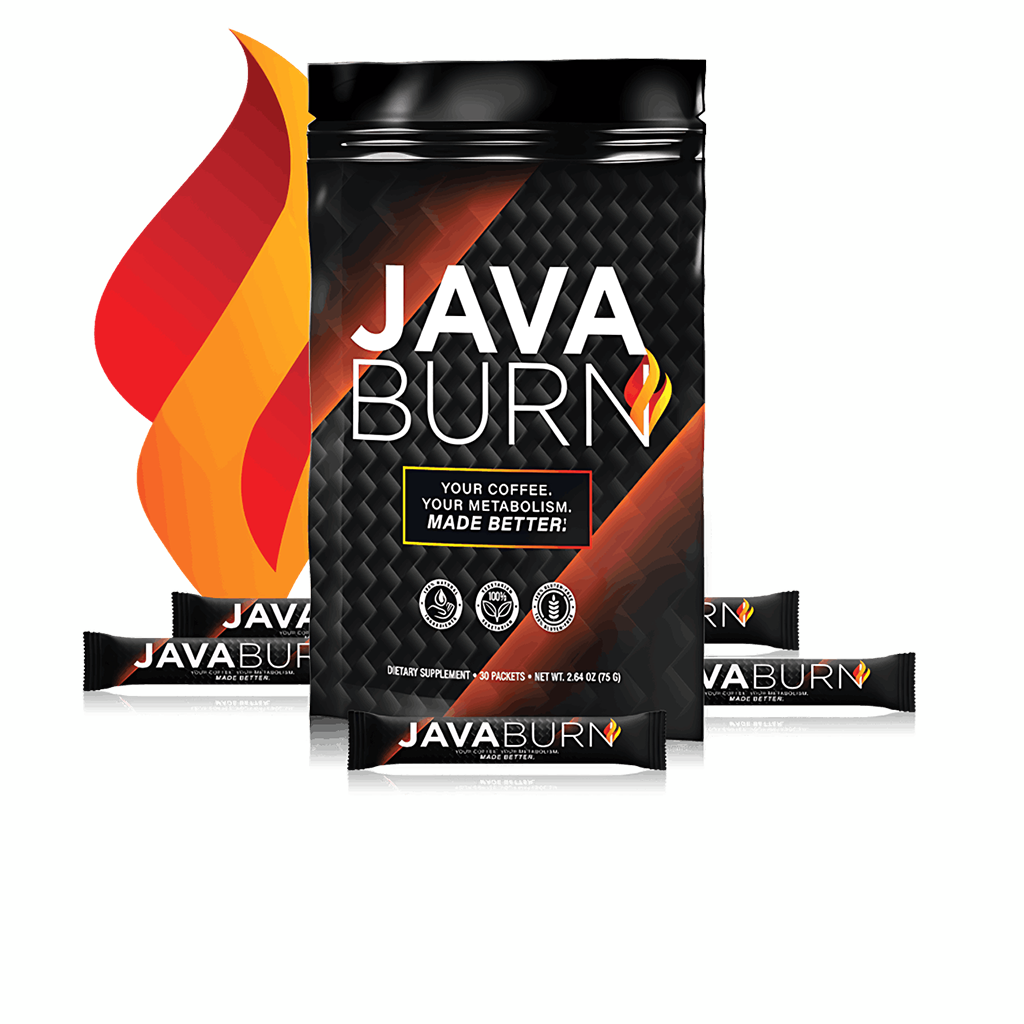
Java Burn
Java Burn combines green tea catechins and chlorogenic acids with chromium, L-carnitine and L-theanine in a single-serving coffee powder. Green-tea catechins and green-coffee chlorogenic acids are its plant extracts, with chromium supporting normal carbohydrate, fat and protein metabolism. Alongside tirzepatide, review chromium, green-tea extracts and total coffee caffeine with the prescribing clinician.

Nagano Tonic
Nagano Tonic is a powdered drink mix made with botanicals and nutrients including camu camu, green-tea EGCG, mangosteen, ginger and inulin. Its formula is promoted for daily metabolic, energy and digestive support; it is not a substitute for balanced nutrition or medical care. When comparing options alongside tirzepatide, review the ingredient label and seller terms before ordering.
Frequently Asked Questions
Contact the prescriber, pharmacist or Poison Control in the United States at 1-800-222-1222 for individualized instructions. Watch for significant nausea, vomiting, dehydration and low blood sugar, especially if insulin or a sulfonylurea is also used.
Not on your own. Dose increases should occur only after the labeled interval and after tolerability, indication, food intake, other medicines and overall response have been reviewed.
Alcohol can complicate glucose control, dehydration, nausea and pancreatitis risk in some people. Ask the prescriber for advice based on your diabetes medicines, drinking pattern and medical history.
Do not decide alone. Tell the prescriber, surgeon and anesthesia team well in advance because delayed stomach emptying may affect the procedure plan, and recommendations differ according to symptoms, dose phase and procedure risk.